
Signal Loss Calculator for Indoor Mobile Coverage Planning
Every metre of cable matters. Every dB matters.
Poor indoor mobile coverage is often caused by one simple issue: signal loss.
Even when a building has a strong outdoor signal, coverage can quickly degrade once the signal travels through long cable runs, splitters, connectors, steel structures, and concrete walls.
For professional installers, understanding signal loss is critical when designing reliable indoor 4G and 5G coverage systems.
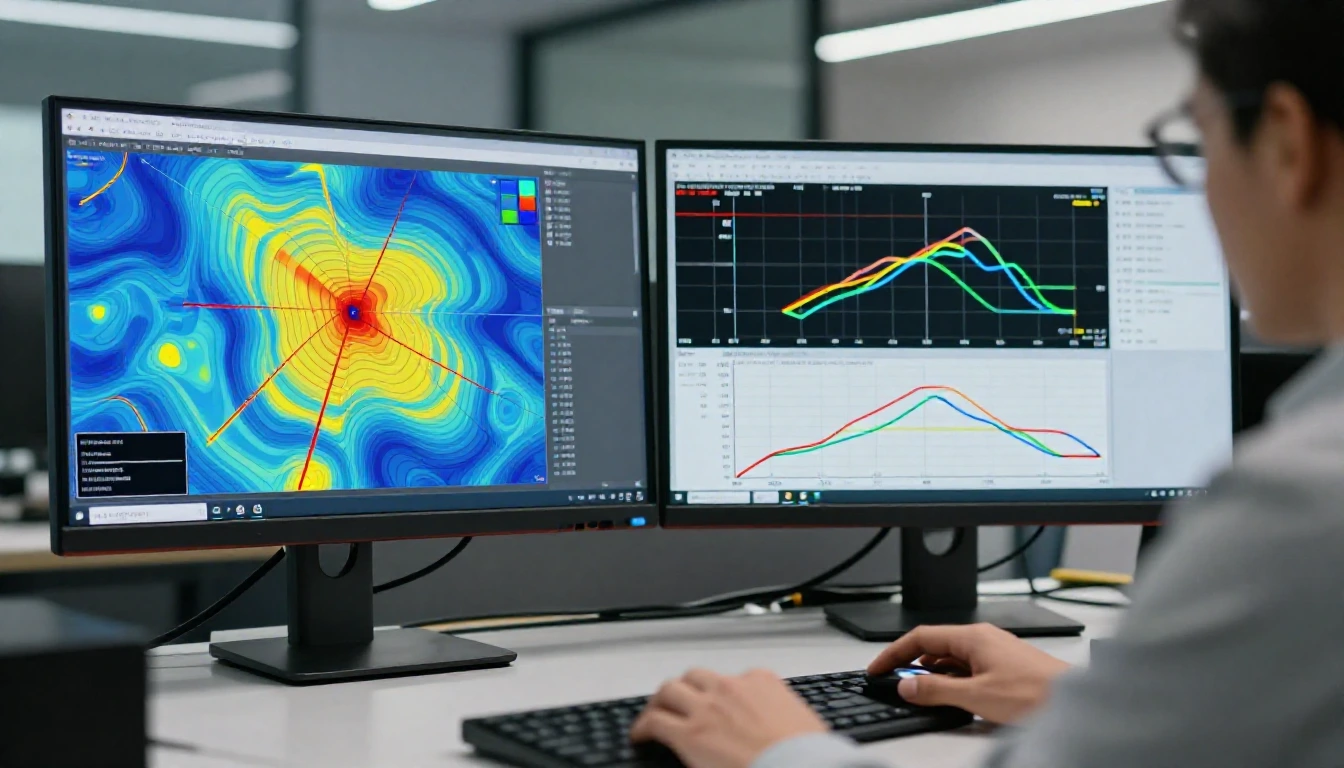
That is why the Shark Plan has an integrated Signal Loss Calculator — which mathematically calculates the signal loss in the equipment on the plan. This shows installers visually the predicted signal coverage from the antennas before installation begins.
What Is Signal Loss?
Signal loss (measured in dB) occurs whenever mobile signal travels through components such as:
- Long coaxial cable runs
- Splitters
- Connectors
- Couplers
- Building materials
Every component in the RF chain introduces some level of attenuation.
The higher the frequency, the greater the loss.
This is especially important for modern 5G networks operating on higher frequency bands.
Why Signal Loss Matters

A poorly planned installation can result in:
- Weak indoor signal
- Slow 4G/5G speeds
- Dropped calls
- Unstable connections
- Poor SINR and throughput
- Uneven coverage between floors
In many cases, installers underestimate how much signal is lost across the cable infrastructure.
For example:
- 40 metres of cable
- Multiple splitters
- Several connectors
- High-frequency 5G bands
…can significantly reduce signal power before it even reaches the indoor antenna.
What the Signal Loss Calculator Does
The Signal Loss Calculator shows installers the resulting signal coverage from the antennas when they increase cable lengths, or add splitters. As the user increases the cable length on the planner, they will see the signal coverage reduce.
The tool calculates losses from:
Cable Loss
Estimate attenuation across different cable types including:
- LMR400 : 0.2dB/m
- LMR600: 0.13dB/m
- Other coaxial cable types
Splitter Loss
Calculate losses introduced by:
- 2-way splitters : 3.5dB loss
- 3-way splitters : 4.5dB loss
- 4-way splitters : 6.5dB loss
Connector Loss
Even connectors introduce attenuation. The calculator includes cumulative connector losses across the system.
Frequency-Based Loss
Higher frequencies experience higher attenuation. The signal travels further for the lower frequencies.
The calculator supports common cellular bands including:
- 700 MHz
- 800 MHz
- 900 MHz
- 1800 MHz
- 2100 MHz
- 2600 MHz
- 3500 MHz
Why Frequency Matters
Many installers are surprised how quickly signal degrades at higher frequencies.
For example:
- 700 MHz travels further with lower loss
- 3500 MHz delivers faster 5G speeds but experiences much higher attenuation
This is why cable choice becomes increasingly important in modern 5G deployments.
Using low-loss cable such as LMR600 can dramatically improve system performance on higher bands.
Better Planning Before Installation
The purpose of the integrated calculator is simple: Design smarter systems before arriving on site.
By estimating losses in advance, installers can:
- Choose the correct cable type
- Optimise cable lengths
- Reduce unnecessary splitters
- Improve antenna positioning
- Balance coverage across floors
- Deliver stronger and more reliable indoor coverage
Designed for Professional Cellular Installers
The Signal Loss Calculator in the Shark Planner is part of a wider ecosystem of professional tools designed to simplify indoor mobile coverage planning.
Combined with:
- site surveys,
- RF measurements,
- spectrum analysis,
- and coverage planning,
…the calculator helps installers design better-performing cellular systems with greater confidence.
Final thoughts
Every metre of cable, splitter, and connector reduces signal strength. Without proper planning, valuable 4G and 5G signal can be lost before it reaches the indoor antennas.
The integrated Signal Loss Calculator in the Shark Planner shows installers the signal loss before installation, reducing guesswork and improving coverage performance.
Whether designing coverage for warehouses, offices, hospitals, apartment buildings, or underground car parks, accurate RF planning leads to stronger and more reliable indoor mobile coverage.